Middleburg's tall rural pines and big oaks on acreage lots need licensed, insured local crews for removal, trimming, stumps, land clearing, and 24/7 storm work. Removals run roughly $500–$6,000+, land clearing about $1,500–$5,000+ per acre, with free estimates. Residential hazard removals need no permit when an arborist documents it, under Florida HB 1159; crews work under a Clay County local business tax receipt and insurance.
Middleburg is one of Clay County's oldest communities, an unincorporated stretch of country along Black Creek southwest of Orange Park, where lots are measured in acres more often than feet. Properties out here look nothing like a Jacksonville subdivision: long driveways, pasture fence lines, workshops and barns, and stands of timber that were never cleared in the first place. That means more trees per property than almost anywhere else we cover — and when one of the big ones needs to come down, or a building site needs clearing, it's a job for equipment and crews sized for rural work. 904 Tree Service connects Middleburg homeowners with local crews who do exactly that.
Middleburg's trees
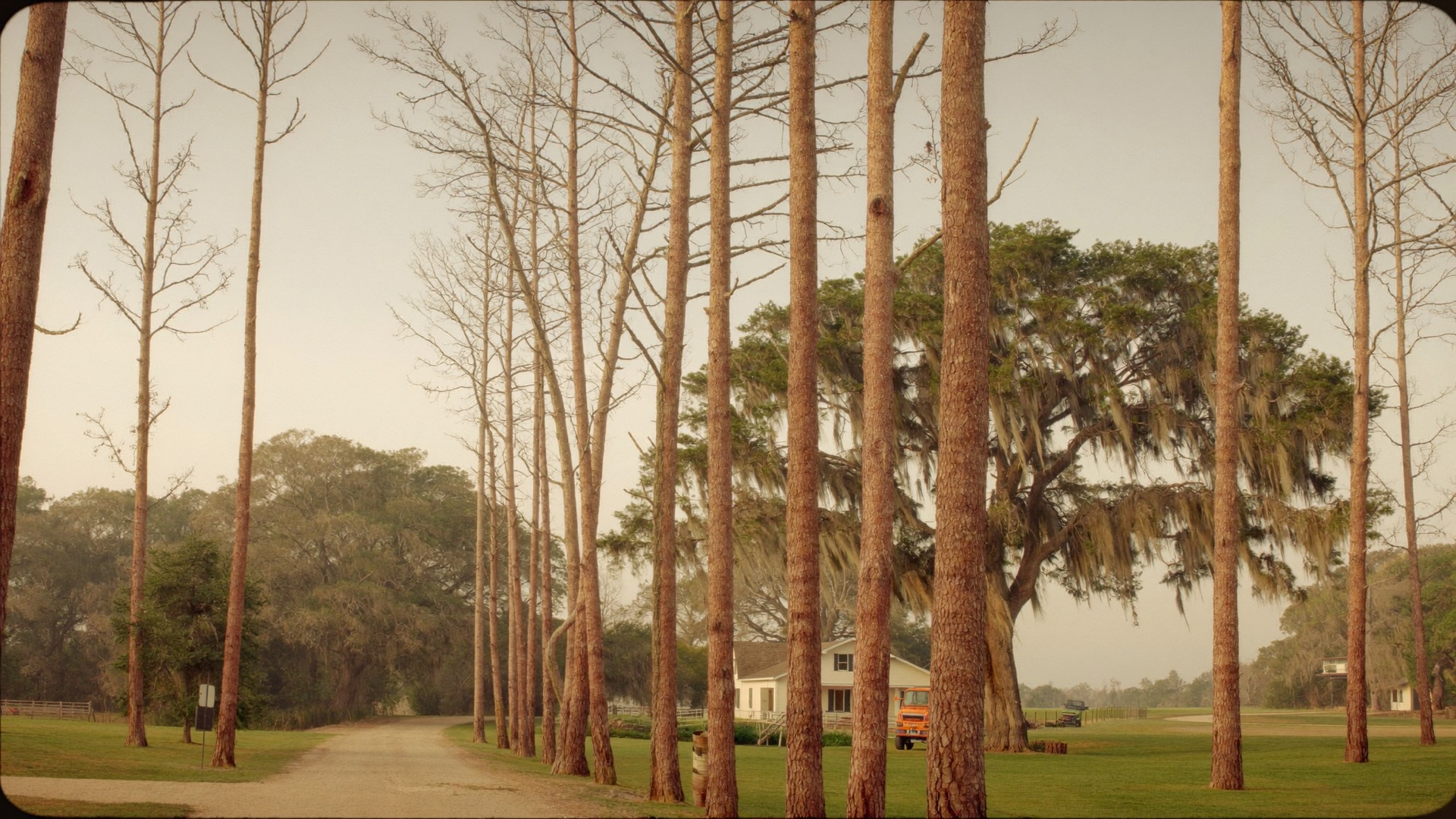
This is pine country. Slash, loblolly, and longleaf pines grow tall and straight on Middleburg's sandy uplands — beautiful timber, but top-heavy, shallow-rooted trees that become a liability when one towers over the house or barn. Around them grow broad live oaks and water oaks along the creek bottoms and old homesteads, with sweetgums and hollies filling in the woods. The rural pattern cuts both ways: a dead pine standing in open pasture is a straightforward drop at a friendly price, while the same tree grown up between the well house and the back porch is a rigging job. And because many properties back up to woods, dead standing timber at the tree line — easy to ignore for years — is usually what the wind finds first.
Tree services we cover in Middleburg
Whatever your acreage needs, there's a crew for it:
- Tree removal — from open-field drops to tall pines rigged down over rooftops and barns.
- Land clearing — building sites, fence lines, pasture edges, and overgrown acreage.
- Tree trimming — deadwooding and clearance pruning for oaks over homes and drives.
- Stump grinding — ground out below grade, priced per stump and bundled on multi-stump jobs.
- Emergency tree service — 24/7 dispatch for trees on structures and blocked drives.
- Storm damage cleanup — full-property haul-off with insurance documentation.
- Palm tree service — trimming and skinning for cabbage palms and ornamentals.
These ranges hold across the 904 — for the full breakdown of what moves the number, see our Jacksonville tree service cost guide.
Storm season in the country
From June through November, hurricane season works Middleburg's timber hard. Tall pines catch wind above the canopy line, and the area's sandy soil saturates fast in tropical rain — Black Creek is famous for coming up out of its banks — so root plates loosen exactly when the gusts arrive. On a wooded rural lot, one storm can put several trees down at once: across the drive, on a fence line, into the pole barn. Crews prioritize whatever's on a structure or blocking your only way out, then work through the rest. The cheaper move is the pre-season walk-through: taking the dead and dying pines at the tree line down on your schedule, in dry weather, before the storm queue forms. When it does hit, 24/7 dispatch answers day or night.
Dead pine standing over the barn?
Standing dead timber is the first thing hurricane wind takes. Get a licensed, insured crew out for a free look — and take it down on your terms, not the storm's.
Call (904) 371-6603Permits & insurance
On residential property you generally don't need a permit to remove a hazardous tree when a certified arborist documents that it's a danger, under Florida HB 1159 — and trimming never needs one. Middleburg is unincorporated Clay County, so crews work under a local business tax receipt and insurance rather than any statewide tree license; the one local caveat is wetlands along Black Creek and its branches, which can carry their own protections that the crew confirms before cutting near the water. On insurance, homeowners coverage typically pays for removal when a storm-felled tree damages an insured structure — the house, a barn, a fence, or a vehicle — usually up to a policy limit, while a tree down in the open pasture generally isn't covered. Every storm job comes with dated photos and a written estimate to support a claim. For the full rundown, see do I need a permit to remove a tree in Jacksonville?